
FAQs
We want you to know more about us.
Our years of involvement in the region provide a solid foundation and understanding for our work.
-
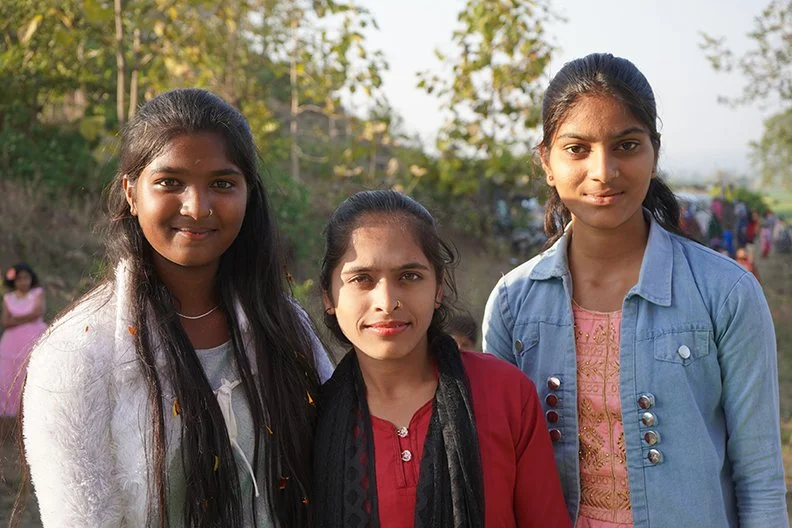
Our focus is the seven countries of South Asia. At present, we work in two countries, India and Nepal, including rural and semi-rural areas. We partner with trusted local organizations to reach girls who are hardest to access, those often neglected because of poverty, caste discrimination, or remote location.
-
We work closely with carefully selected local partners who have known these communities deeply for over a decade. The selection process includes personal visits to the family, evaluation of their economic and social status, verifying availability of other relatives—as we have found children do best when raised with parents or nearby extended family who can provide a safe environment.
The recommendation is then finalized in collaboration with one of our board members. We have a list of criteria to define eligibility. Learn more about our process
-
Rescue is only the beginning. We aim for full restoration. That means emotional healing (therapy, safe family or foster arrangements), spiritual formation (spirituality is central to South Asian culture), physical health and nutrition, educational opportunities (high value schooling, scholarships), life skills, and ongoing community support so the girls belong and know they are valued.
-
We have multiple levels of oversight in place: monthly visits by trained social workers and monthly video sessions with a trained therapists; foster families receive ongoing training; local cultural advisors inform our practices; financial audits and transparent reporting to donors; careful partner vetting; regular internal and external evaluations to measure impact and ensure effectiveness, and multiple visits by board members to directly meet with the girls to evaluate their safety and growth. This process ensures multiple layers of safety for our girls.
-
Several key distinctions:
Deep local partnerships and cultural sensitivity - board and staff have long-standing relationships with local leaders; local people involved in designing and implementing programs. One of the board members was born and raised in South Asia, with extensive experience working at grassroot levels.
Holistic model - rescue + healing + spiritual formation + leadership development + safe community.
High-value education - aiming for leadership level influence, not just minimal schooling.
High accountability and supervision.
Sustainability and generational focus - aiming to break cycles of poverty not just now but into the future.
-
Sustainability is built in: local leadership and ownership, cultural integration, cost-effective design, training local caregivers. We maintain flexibility to adapt programs when conditions change, always seeking to work respectfully with local stakeholders. We actively engage in crisis planning and preparation. Our local partners are also capable of raising local funding to tide over temporary disruptions. We also plan to build reserves and diversified funding streams so emergencies or disruptions don’t halt care for the children.