our process
Every girl we walk with is unique. While there are foundational elements that are common to all girls’ empowerment, each girl’s pathway has to be tailor-made - depending on her age, background, family situation, trauma history, and dreams. A child rescued at age 4 will need a very different approach from one rescued at 15.
This is the framework that we customize for each girl:
1
finding our girls
We work with trusted partners, local networks, community leaders, and grassroots organizations across South Asia to identify girls who meet our established criteria (vulnerability, exploitation risk, family context, willingness, generational poverty cycle).
Each candidate is vetted carefully: social mapping, interviews, background checks, and context assessment.
We choose only as many girls as we can sustain well—to ensure quality of care over scale.
Click to enlarge and view
The Invisible Girl Project: Vulnerability Scale ©Nitin Tonk
2
establishing support
Once selected, we assign each girl to a social worker. Ideally, one social worker handles up to 24 girls in one region.
The social worker visits monthly, monitoring safety, well-being, academics, social relationships, physical health, and emotional development.
The social worker also supports and trains the host/foster family, checking in on how they are caring for the child.
Reports flow to a country-level project manager, who uses that to evaluate the health and progress of each child. We also use this report to furnish donors with two structured updates per year using those reports.
3
safe placement
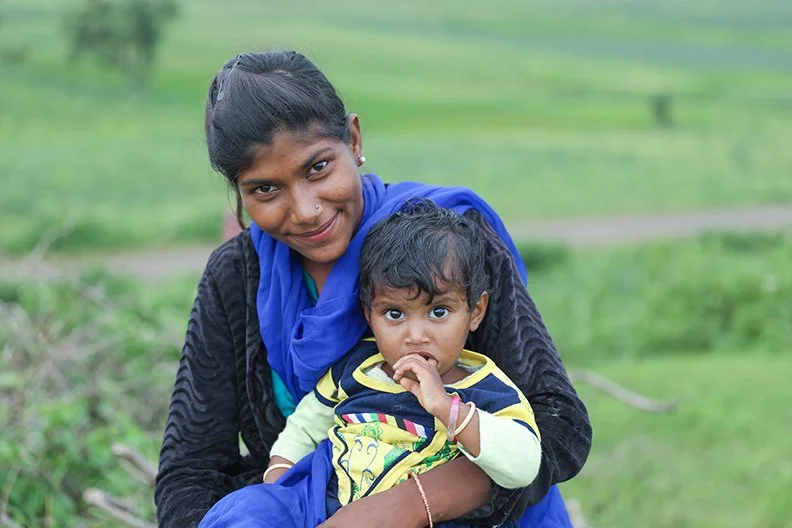
The social worker’s priority is to locate a safe, nurturing family and community placement. Our first choice is with relatives: grandmothers, aunts, surviving parents when safe and feasible.
Children in kinship care tend to experience fewer behavioral issues, better mental health outcomes, and greater placement stability compared to non-relative foster care. ( Washington University - St.Louis)
If no suitable relative is available, we draw from our vetted foster network in the child’s region (trained, background-checked families).
Only when neither option is available do we place the child in a high-quality boarding school or community home, ideally with other girls from the same cohort to maintain peer support.
4
rescue & transition
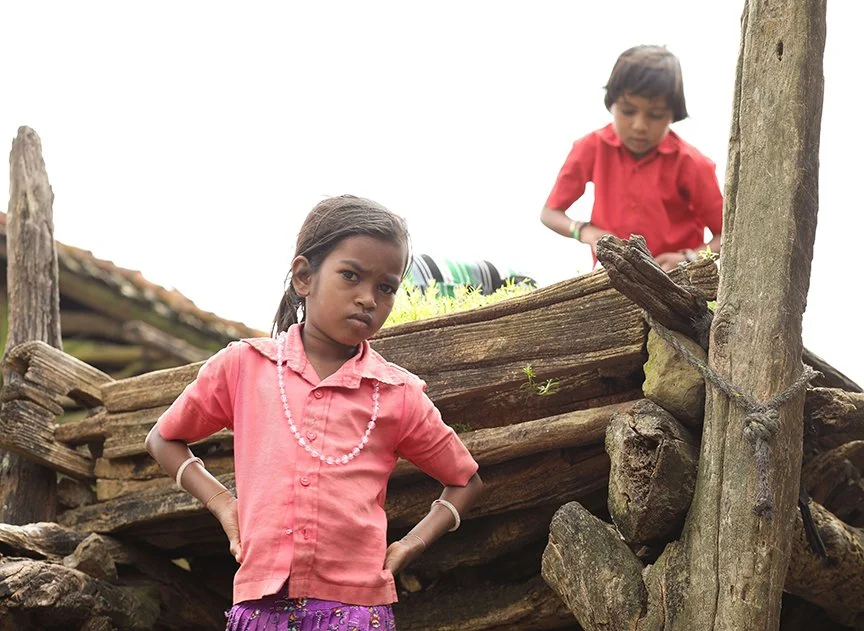
The rescue phase itself may vary and sometimes be relatively simple (removal from exploitative situations), sometimes complex (legal intervention, safe transport, protection from traffickers).
Immediately post-rescue, the child is placed in the pre-identified safe family or environment.
In the first week, a licensed psychologist is assigned (ratio:1 psychologist to 12 girls).
The psychologist begins monthly one-on-one therapy, confidential sessions, emotional healing, resilience-building.
Once a year (or more), the psychologist convenes the girls under her care for in person retreat which will include training in safety from abuse, reporting mechanisms, emotional health, life skills, etc.
This small cohort (≈12 girls) becomes a community support group, fostering peer connection, shared healing, and encouragement.
5
ongoing care
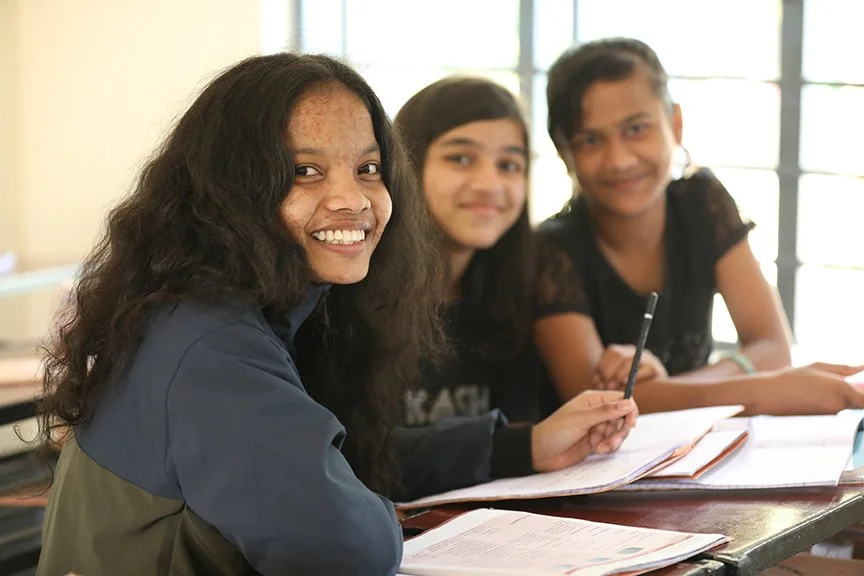
The host/foster family receives a care stipend to support the child’s food, nutrition, and basic needs (monitored by the social worker).
We provide clothing, school supplies, health checkups, and ensure basic welfare through the social worker.
Social worker visits assess both welfare of the child and the adequacy of the household environment.
6
education
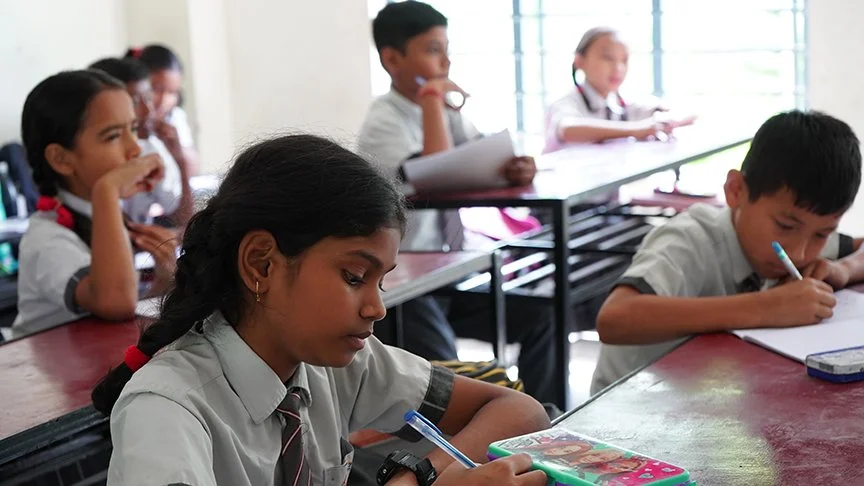
We place each girl in a high quality, best possible, English-medium private school near her home area - or within reach of her placement. We cover 100% of tuition and associated costs (books, fees, transportation).
Our goal is not only to give access to schooling, but to excellence - ensuring each girl can compete at high levels. Instead of moving up from the lower rung of poverty (income of below $2.15 per day) to the upper rung ($5.15 per day), we want them to move into the middle class income level. This ensures the child and their children, for generations to come, can be truly free economically and emotionally. We also want them to be leaders in the area of their work/influence.
After high school, we assist with placement in top universities or professional programs—domestic or international—so each girl has a viable opportunity to emerge into a life of economic independence, leadership, and influence.
7
graduation & leadership
As girls mature, we transition them into mentorship, internships, leadership opportunities, vocational training (if desired), and a role in social impact work.
We aim for each alumna to become an agent of change—in her community, profession, and generation.
8
after graduation
Once a girl graduates and becomes employed, we encourage them to continue investing in their community, giving back in order to help other girls receive holistic freedom. We are also considering organizing a retreat once every three years to allow the girls in each state to come back and enjoy fellowship, also receiving ongoing love and training.