why south asia
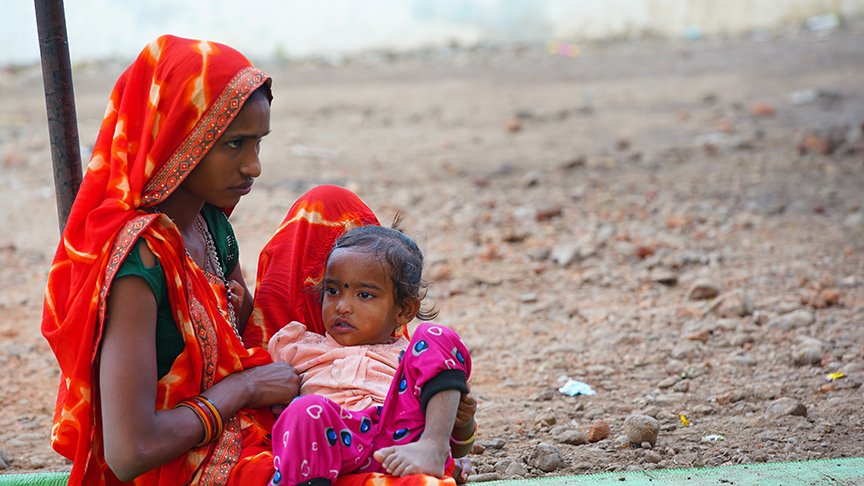
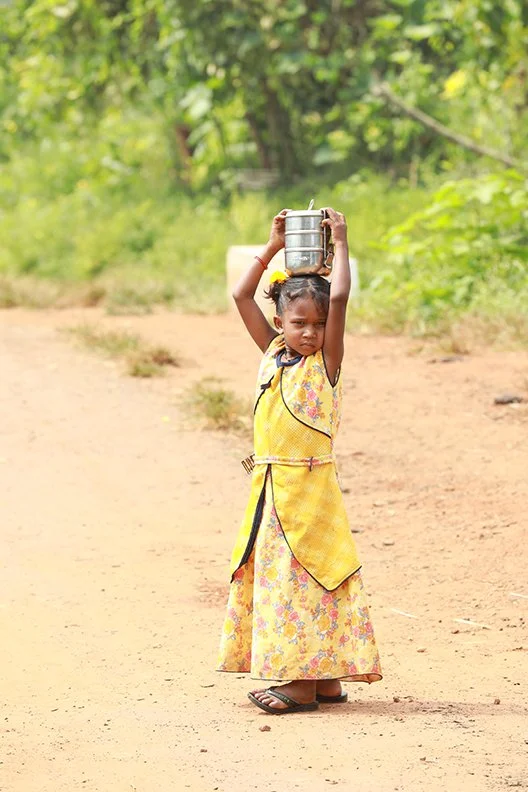
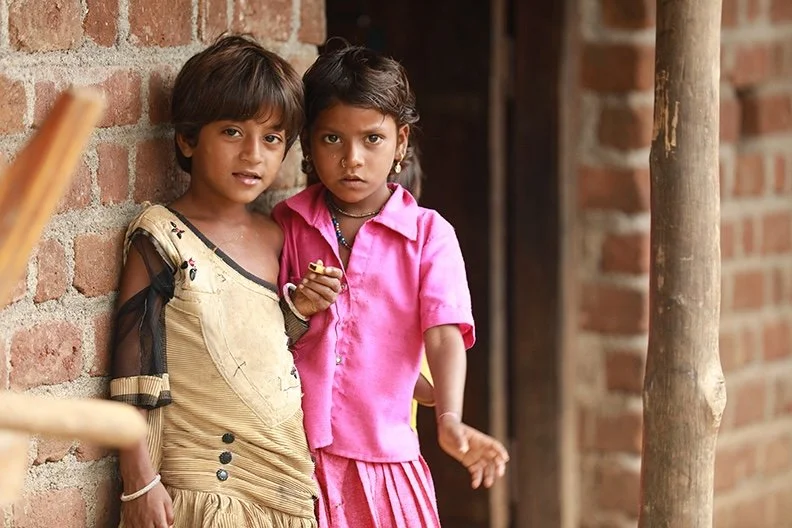
South Asia is home to some of the world’s darkest realities for millions of girls.
Poverty, bonded slavery, sexual trafficking, gender discrimination, and exploitation intersect in devastating ways.
Generational Poverty
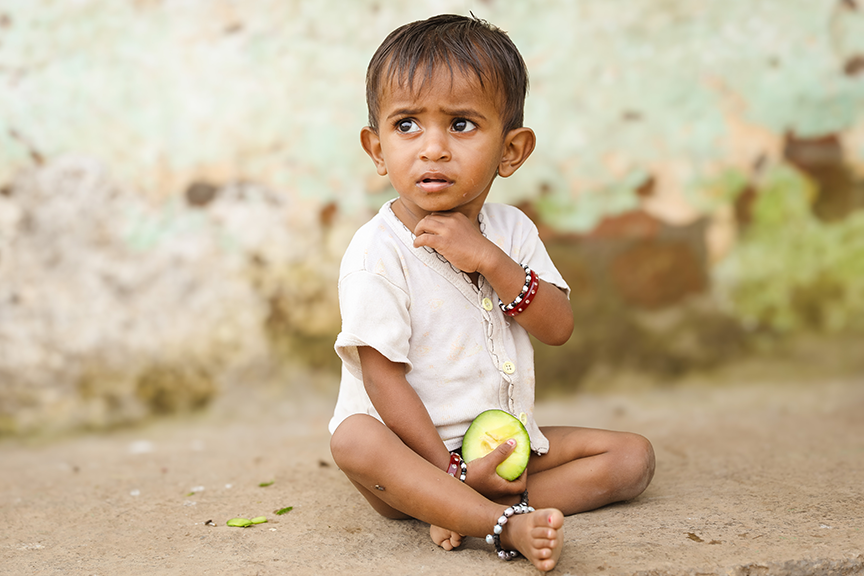
South Asia is home to one of the largest concentrations of poverty in the world — over 140 million people live below the international poverty line of $2.15 per day. Extreme poverty threshold is $2.15/day and upper threshold of poverty line is income of $5.50 For many families, poverty is not only an economic condition but a cycle passed down through generations, especially affecting girls and their future generations (World Bank, Global Poverty Update).
Modern Slavery
South Asia bears the world’s heaviest burden of modern slavery. In India alone, an estimated 11 million people live in conditions of forced labor, debt bondage, or forced marriage — the highest number in any country (Walk Free, Global Slavery Index).
Human Trafficking
Trafficking remains widespread across the region, with women and girls forming the majority of victims. The UNODC Global Report on Trafficking in Persons (2024) highlights entrenched vulnerabilities caused by poverty, displacement, and gender-based discrimination that enable trafficking networks to thrive (UNODC Global Report on Trafficking in Persons).
Inequality and Lost Potential
Only about one in three women in South Asia participate in any kind of labor force — one of the lowest rates in the world. Economic and social barriers continue to limit women’s education, safety, and leadership opportunities, deepening generational inequality (World Bank, South Asia Economic Focus; ILO).
Malnutrition and Early Deprivation
South Asia is the global epicenter of undernourished adolescent girls, accounting for 65% of the world’s underweight adolescent girls and 41% of all anemic girls. Poor nutrition early in life limits education, health, and opportunity long before adulthood begins (UNICEF South Asia).